
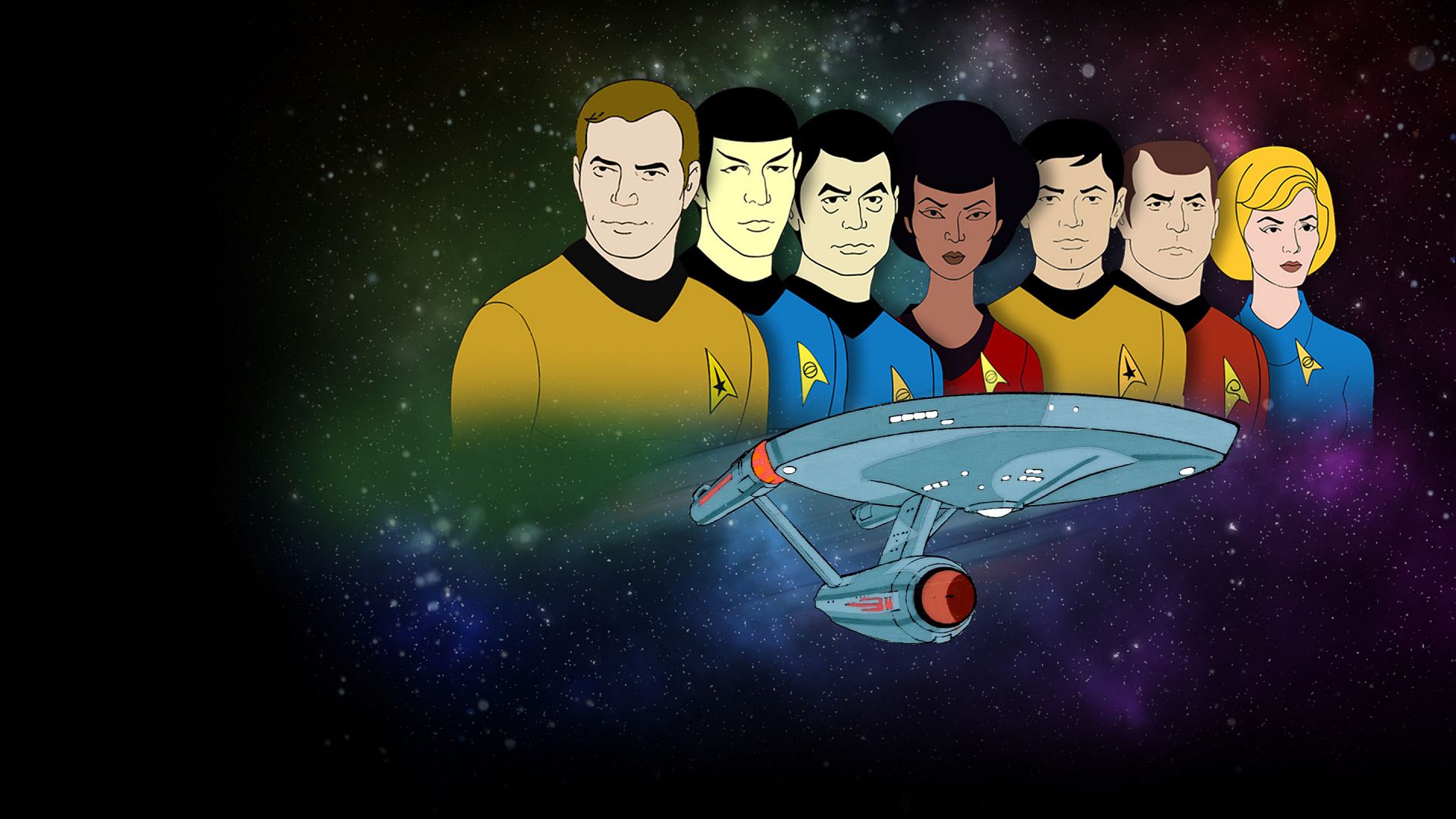
On its 50th anniversary, “Star Trek: The Animated Series” is finally getting some well-deserved love.
For many years, the Saturday morning series that premiered Sept. 8, 1973, has often been disparaged, if not outright ignored.
And it almost was a mess that very well could have torpedoed “Star Trek” forever, were it not for star Leonard Nimoy.
When casting for the series was announced, Nimoy – the iconic Vulcan first officer Mr. Spock – took one look and said nope.
Why?
Because Filmation, the notoriously cheap studio producing the animated series, decided to save a few bucks and declined to hire Nichelle Nichols (Lt. Uhura) and George Takei (Lt. Sulu).
Instead, their roles would be voiced by Majel Barrett (Nurse Chapel) and James Doohan (Scotty).
That’s right.
The minority characters on the one TV show that did more to more to promote diversity and inclusiveness, that actually dared to present a Black woman and Asian man in positions of authority during the 1960s, would be voiced by Caucasians.
Nimoy objected, stating that he wouldn’t do the show without them. Their presence was a vital component of “Star Trek’s” popularity, and a beacon of all races getting along, an important message for the Civil Rights Era.
Now “Star Trek” has often told stories that play with time, so let’s just imagine if Filmation had gotten its way, if Nimoy hadn’t used his clout on behalf of his co-stars.
What would the press have made of that? How would viewers react to it?
Remember, Martin Luther King Jr. had talked Nichols into staying with the show when she was ready to leave after season one. A huge fan, he reminded her that she represented a glorious vision that could be found absolutely nowhere else in primetime TV.
And a white woman was going to take on the role for a Saturday morning show? A white man was going to voice an Asian navigator?
It’s easy for us to be spoiled today – what with “Picard,” “Discovery,” “Strange New Worlds,” “Lower Deck” and “Prodigy” (which BETTER find a new home for season two).
We live in a time of unparalleled “Trek” to satisfy just about every taste.
But it wasn’t so in the 1970s.
The animated series was producer Gene Roddenberry’s chance to prove his creation was more than just a cult show and could have mainstream appeal – and lead to another primetime run, hell, maybe even a movie.
Filmation’s cheapness could well have scuttled for “Star Trek” – for good.
Longtime Trekkies would have been outraged. The anger might well have killed the burgeoning fan movement. The optics would only grow worse, not better with the passage of time. Instead of celebrating the 50th anniversary, Paramount would still be apologizing for the series.
And Nimoy was the only one who saw a problem.
Luckily, his objection hit like a well-needed bucket of cold water. Filmation hired Nichols and Takei. (Original cast member Walter Koenig did not participate, but did write an episode, “Infinite Vulcan.”)
There is a lot to celebrate about “Star Trek: The Animated Series.”
Despite Filmation’s dreary animation budget – maybe $3.97 per episode – the show still holds up damn well.
For starters, the writers didn’t dumb it down. Despite the Saturday morning time slot, they didn’t write a kiddie show.
They wrote a show to appeal to all ages.
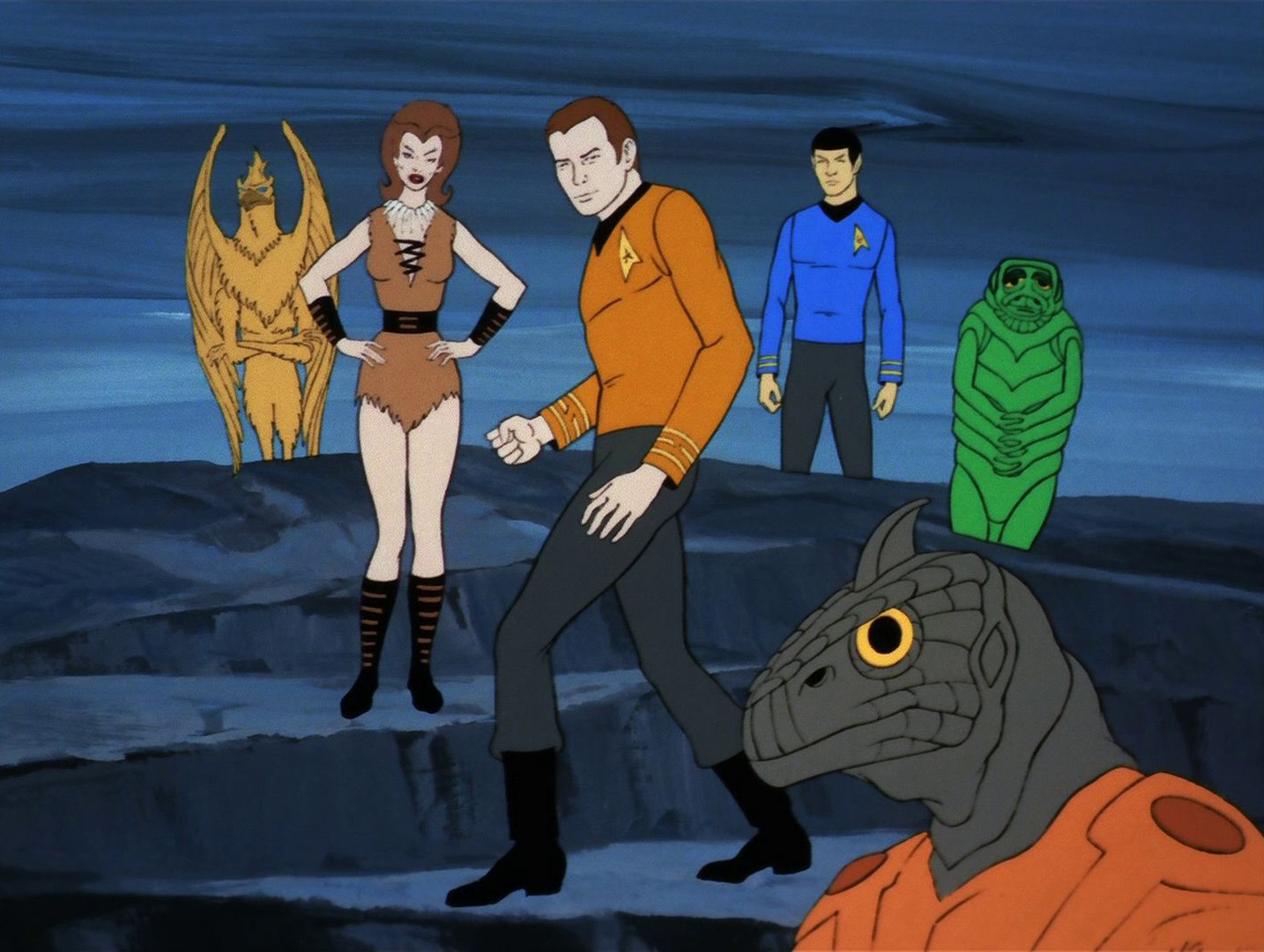
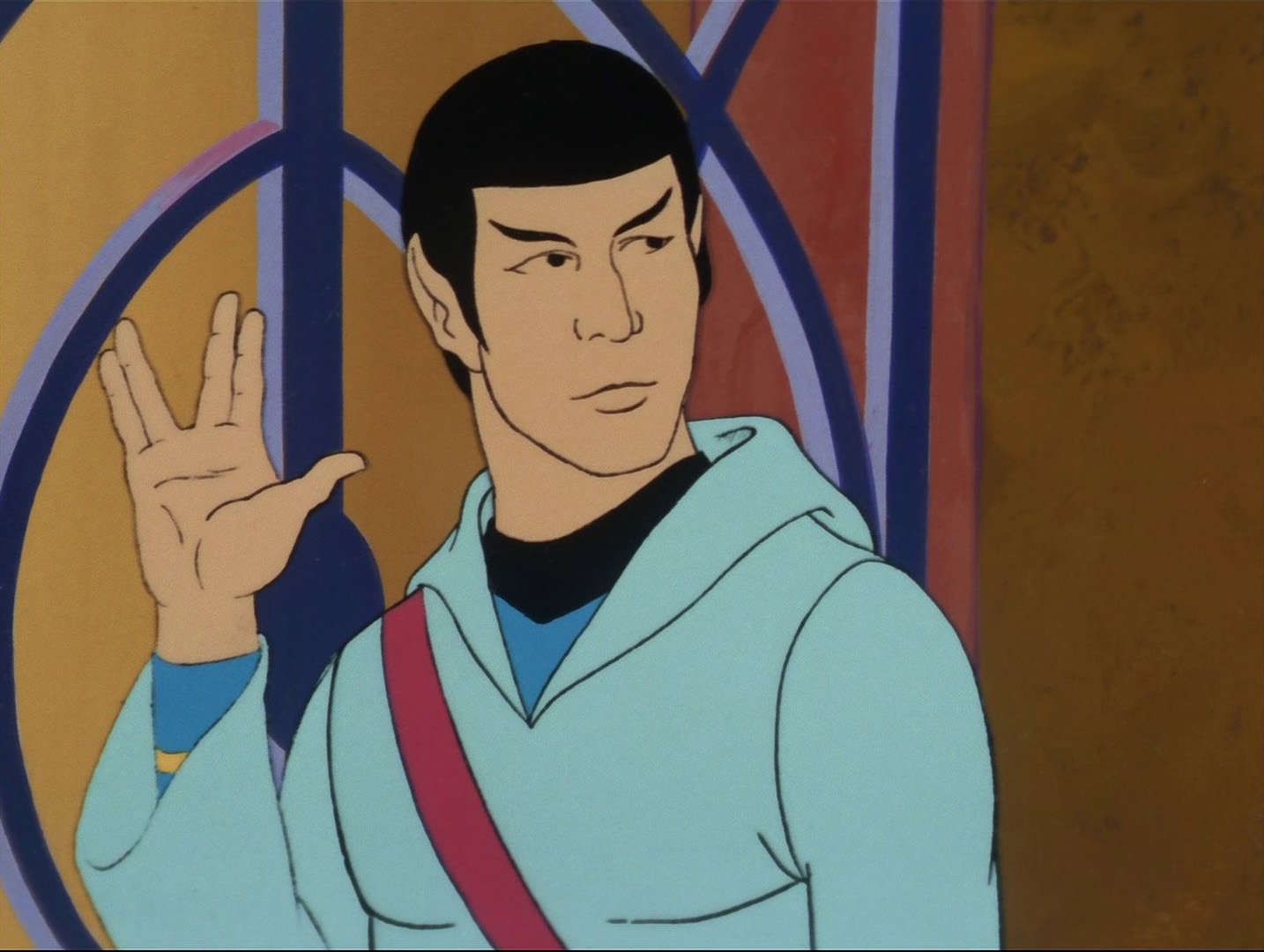
In “Yesteryear,” Spock travels back through time to save his younger self and experiences an unexpected loss. In “The Slaver Weapon,” written by acclaimed writer Larry Niven and based on one of his short stories, a warlike race, the Kzinti, demand Spock, Uhura, and Sulu turn over a dangerous artifact. In “The Lorelei Signal,” Uhura even takes command of the Enterprise, a moment that delighted Nichols.
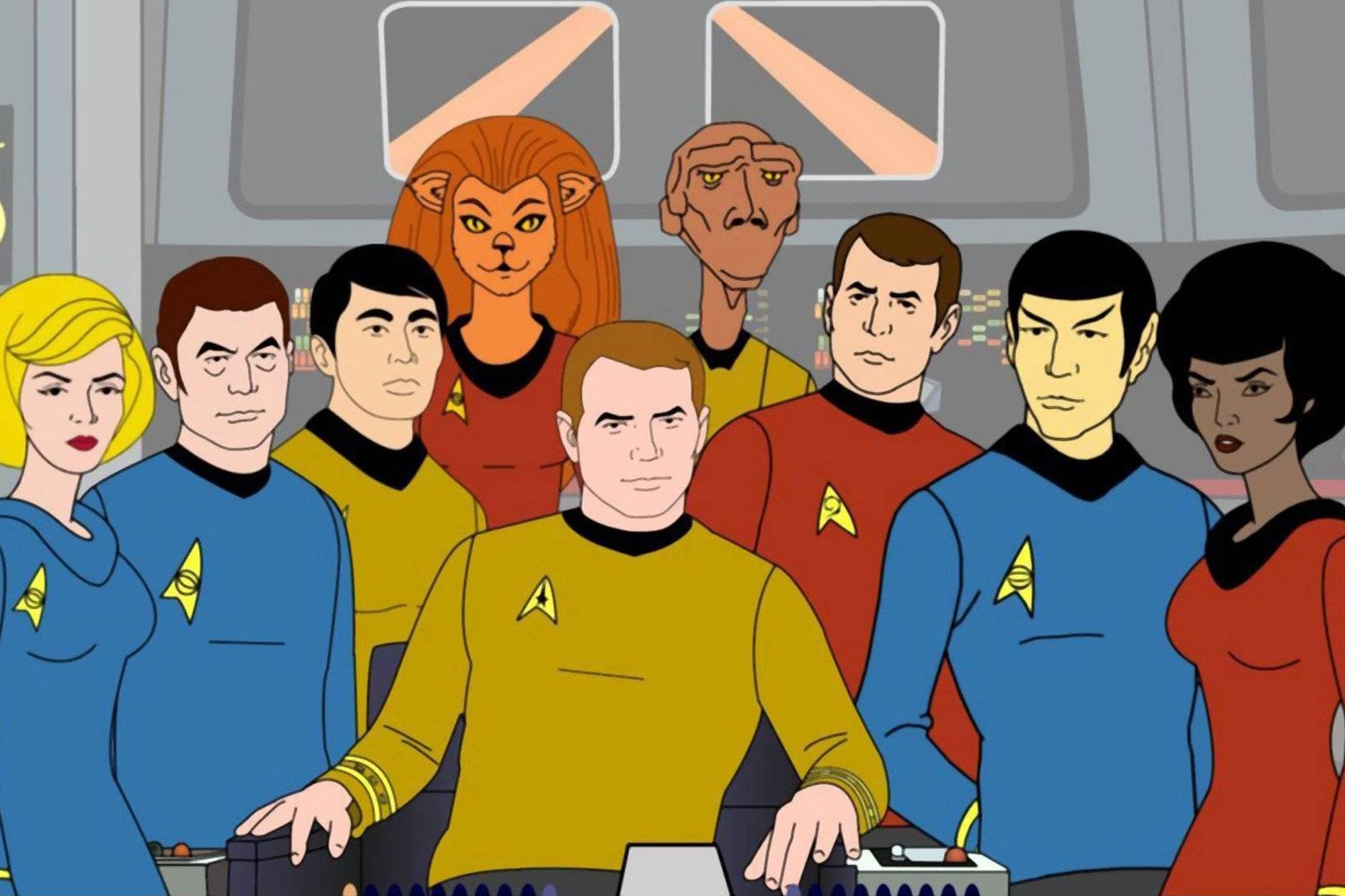
The show introduced new aliens to the bridge.
Doohan doubled as Lt. Arex, a canine-faced alien with three arms.
Barrett voiced Lt. M’ress, a Caitian communications officer.
Years ago, I was lucky enough to interview Barrett for a newspaper, and I mentioned how much I enjoyed M’Ress.
She immediately started doing the voice, purrs and all.
I. Lost. It.
The series even won an Emmy in 1975, the first for “Trek,” for Outstanding Entertainment – Children’s Series.
Whatever its limitations, “Star Trek: The Animated Series” remained true to “Star Trek’s” ideals and storytelling and kept the spirit of the franchise alive.
That we can celebrate, thanks to Leonard Nimoy.


Leonard Nimoy was a Godsend for the Star Trek universe. I’m glad that he saw the value in the animated Star Trek. Thank you for this article.
LikeLiked by 1 person
Thank you for coming by and giving it a read!
LikeLiked by 1 person